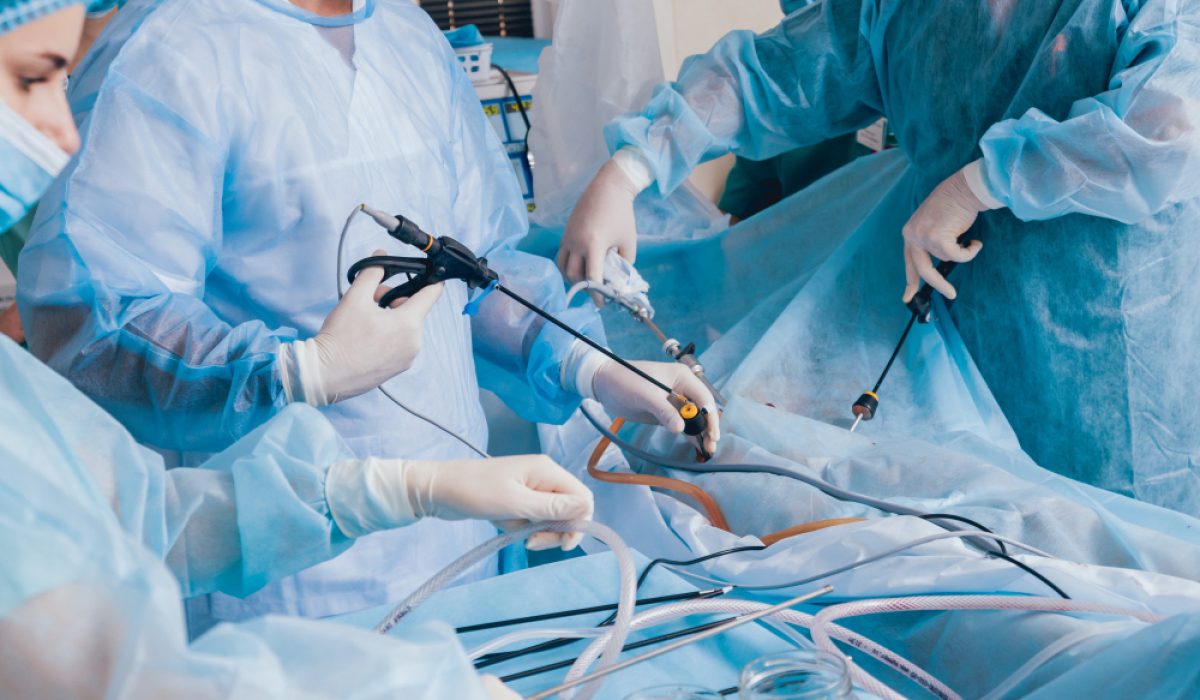
Mullerian abnormalities are changes in the female reproductive organs that develop before birth. These changes can affect the uterus, fallopian tubes, or vagina. For many women, these conditions may cause symptoms or affect fertility. However, laparoscopy for mullerian abnormalities offers a safe, minimally invasive way to diagnose and treat these issues. This blog explains what to expect from laparoscopy, its benefits, and how it can help with recovery.
What Are Mullerian Abnormalities?
Mullerian abnormalities are differences in how a woman’s uterus, fallopian tubes, or vagina form. These organs develop from special tissues called Mullerian ducts before birth. Sometimes, these ducts do not form or join as they should. As a result, women may have changes in their reproductive organs.
Common types of mullerian abnormalities include:
These conditions can lead to problems such as irregular periods, pain, or trouble getting pregnant. Sometimes, women may not notice any symptoms until they try to have a baby.
Why Is Laparoscopy Used for Mullerian Abnormalities?
Laparoscopy is a type of minimally invasive gynecological surgery. Doctors use it to see inside the belly and pelvis with a thin camera. Because it uses small cuts, recovery is usually faster than with open surgery.
For mullerian abnormalities, laparoscopy helps in two main ways:
Compared to traditional surgery, laparoscopy usually means less pain, fewer scars, and a quicker return to daily life.
Symptoms and When to Seek Medical Help
Many women with mullerian abnormalities do not have symptoms. However, some may notice:
If you have any of these symptoms, it is important to talk to a healthcare provider. Early diagnosis can help prevent complications and improve your chances of a healthy pregnancy.
The Laparoscopic Procedure: What to Expect
Knowing what happens during laparoscopy can help you feel more prepared. Here is what you can expect:
Before the Procedure
During the Procedure
After the Procedure
Benefits and Risks of Laparoscopy
Laparoscopy for mullerian abnormalities offers several benefits:
However, like any surgery, there are some risks. These may include:
Most problems are rare and can be managed by your healthcare team.
Recovery and Aftercare
After laparoscopy, most women recover quickly. Here are some tips for a smooth recovery:
It is important to attend all follow-up visits. Your doctor will check your healing and answer any questions. If you notice fever, severe pain, or heavy bleeding, contact your doctor right away.
Prevention and Outlook
Mullerian abnormalities usually develop before birth, so they cannot be prevented. However, early diagnosis and treatment can help manage symptoms and improve fertility. Most women recover well after laparoscopy. Many can go on to have healthy pregnancies. Your outlook depends on the type of abnormality and the treatment you receive.
Frequently Asked Questions
Conclusion and Call-to-Action
In summary, laparoscopy for mullerian abnormalities is a safe and effective way to diagnose and treat these conditions. It offers faster recovery, less pain, and better outcomes for many women. If you have symptoms or concerns about your reproductive health, consult a gynecologist or specialist. They can guide you to the best care for your needs.
Sources: Centers for Disease Control and Prevention (CDC), World Health Organization (WHO), peer-reviewed medical journals.